INSIGHTS
Reimagining the Practice Day: How a New EHR Model Supports Care Teams
Monday, April 20, 2026 @ 1:55 PM EDT
What If the Practice Day Worked Differently?
For many care teams, the practice day does not feel designed. It feels endured.
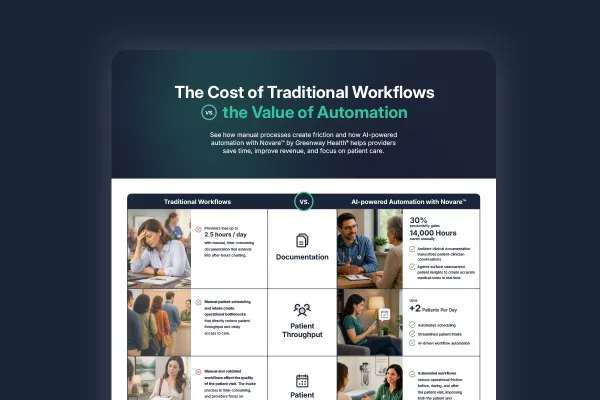
Providers and staff move between multiple EHR systems, disconnected tools, and manual processes just to keep pace. Documentation stretches beyond patient visits. Communication breaks down across roles. Too often, administrative burden takes time away from what matters most: patient care.
The issue is not simply the EHR itself. It is the model behind it.
For years, healthcare organizations have tried to solve workflow challenges by layering on additional tools, including standalone AI solutions. But when AI is bolted onto an EHR instead of built into it, complexity increases and work becomes more fragmented.
What if the practice day was built around how care teams actually work? What if an EHR model could reduce friction instead of adding to it?
To see what that could look like, think about a typical day in a modern practice, reimagined.
A Day in the Life Reimagined
Morning: Starting with Clarity, Not Chaos
The day begins before the first patient arrives.
Today, teams often log into multiple systems, review scattered patient information, and manually prepare for visits. Morning huddles rely on incomplete or outdated data.
In a new EHR model, the day starts with a unified view. Care teams can quickly see prioritized schedules, patient histories, and gaps in care all in one place. Pre-visit planning becomes proactive instead of reactive, and huddles are grounded in real-time insights.
This kind of experience depends on AI being built directly into the EHR system, not spread across separate applications. Solutions designed around this model, like Greenway’s Novare™, are already helping practices bring this level of clarity to the start of the day.
During Visits: Focus Back on the Patient
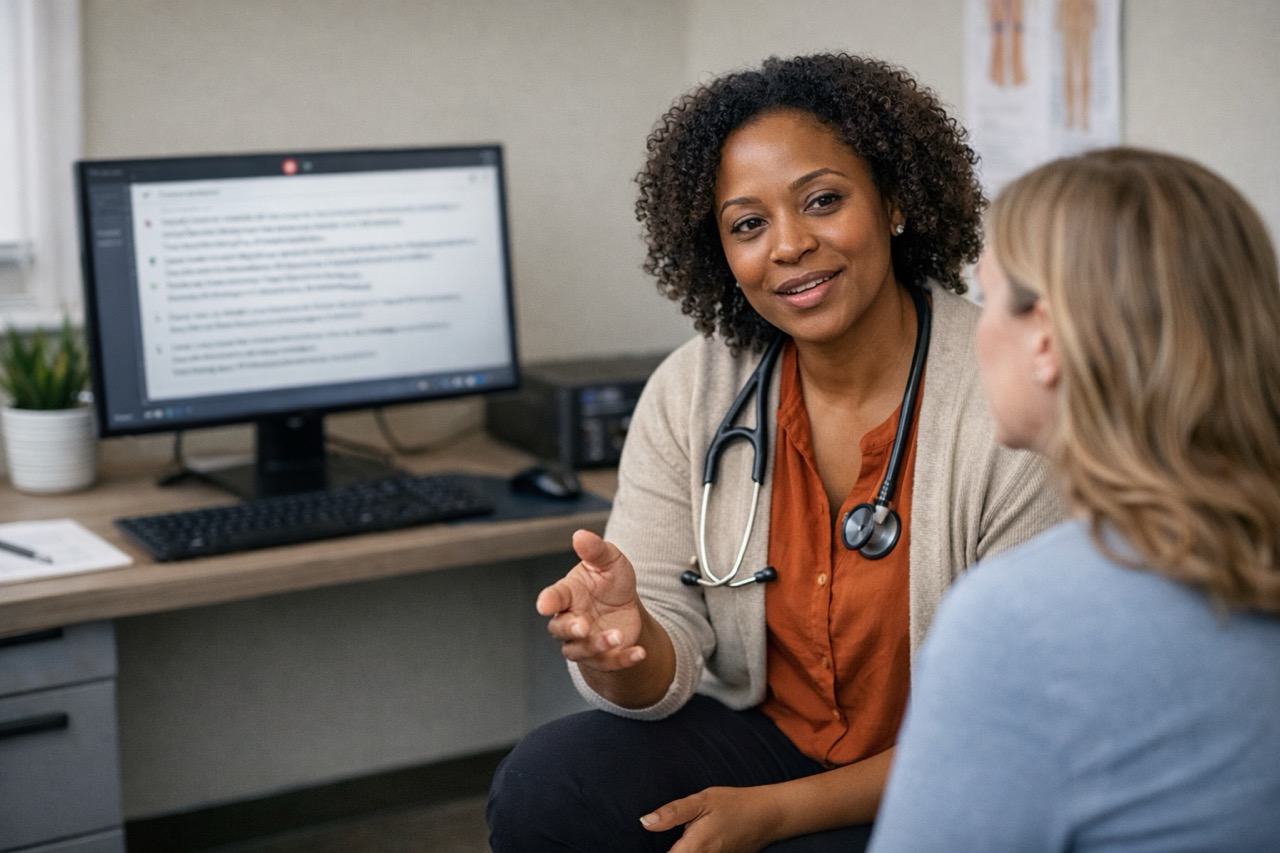
Once visits begin, the tension between care and documentation becomes clear.
Today, providers navigate complex EHR systems, clicking through screens while trying to maintain meaningful patient interactions. Notes are often completed after the visit, extending the workday.
In a modern EHR model, workflows are streamlined and intuitive. Relevant clinical insights surface in real time, supporting decision-making without disruption. Documentation becomes a natural part of the visit instead of a separate task.
This shift is only possible when AI-driven documentation support, clinical intelligence, and workflow tools are built into the system itself, rather than added through disconnected solutions.
The result is more attention on the patient and less on the screen.
Midday: True Team Coordination
As the day progresses, coordination becomes critical.
Today, communication often happens across multiple channels, including messages in the EHR, phone calls, and informal conversations. Tasks can be delayed or duplicated, and ownership is not always clear.
With a more connected EHR system, communication is embedded directly into workflows. Tasks are visible, routed, and tracked across the care team, with AI helping prioritize and surface what matters most. Everyone, from front desk staff to clinicians, operates from the same source of truth.
Instead of working in silos, care teams move in sync.

End of Day: Work That Stays at Work
For many providers, the day does not end when the last patient leaves.
Today, hours of after-work charting and follow-up tasks, often called “pajama time,” are the norm. Incomplete documentation and administrative backlog contribute to burnout.
In a reimagined EHR model, much of that work is already done. Documentation is completed during visits, follow-ups are automated or clearly assigned, and the day closes with fewer loose ends.
The workday ends when it should.
From Better Days to Better Outcomes
When the structure of the day improves, the outcomes improve as well.
A more effective EHR model does not just streamline workflows. It reshapes the experience of care delivery:
- Providers and staff experience less burnout and greater job satisfaction
- Patient experience in healthcare improves, with more engaged and attentive visits
- Operational efficiency increases, supporting both growth and sustainability
This shift is not theoretical. It is already taking shape in reinvented EHR systems designed with AI built-in rather than bolted-on. These systems support complete healthcare communications and enable more connected, efficient care teams.
A New Standard for the Practice Day
Reimagining the practice day is not about adding more features to an EHR system.
It is about redefining how the day works.
A modern EHR model should support the people delivering care by reducing friction, improving coordination, and creating space for meaningful patient interactions. That starts with a foundation where AI is built into the tools care teams rely on every day, not bolted on as an afterthought.
When care teams are supported, patient care improves with them.
The future of healthcare is not just about better technology. It is about better days.