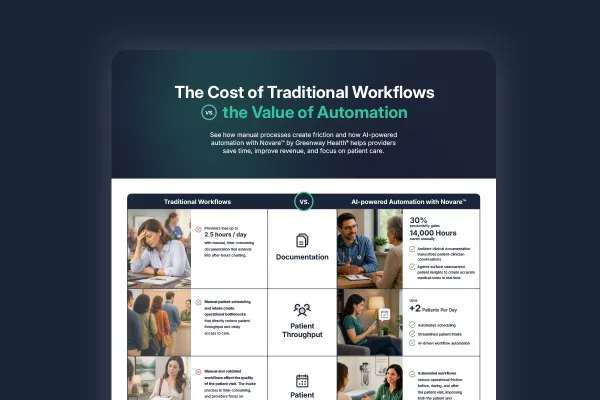
Greenway Clinical Assist is leading the way in this space, providing accurate, real-time notes that seamlessly integrate into clinical workflows.
INSIGHTS
Automation in Action: Dr. Michael Blackman’s Vision for Healthcare Operations
Tuesday, January 07, 2025 @ 11:38 AM EST

Medical practices today face mounting pressure from administrative burdens and workflow inefficiencies that strain providers and staff alike. However, automation is paving the way for a new era of healthcare operations, offering solutions to improve efficiency and enhance patient care.
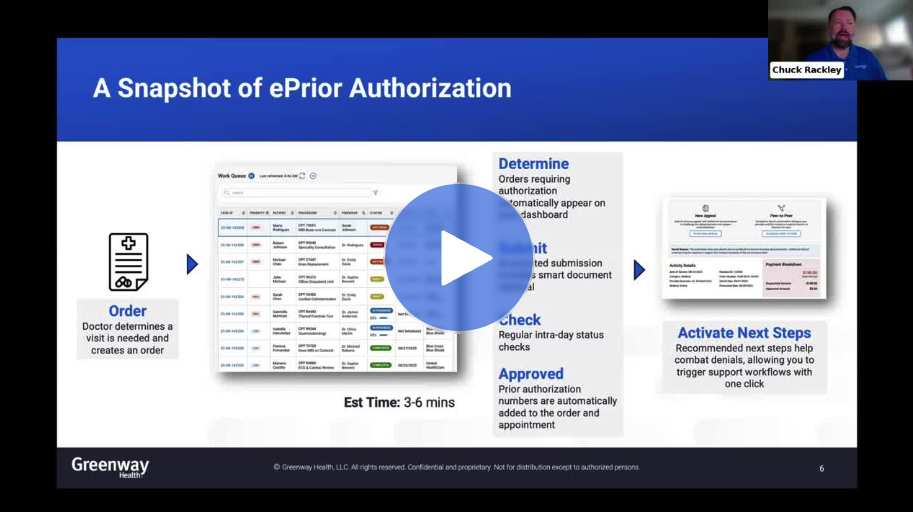
In a recent MGMA Business Solutions Podcast, Dr. Michael Blackman, Chief Medical Officer at Greenway Health, discussed how automation addresses these challenges and shared his insights into the evolving role of technology in healthcare. Below, we dive into the key takeaways from the conversation and what they mean for medical practices.
The Next Generation of EHRs
Dr. Blackman discussed how electronic health records (EHRs) are evolving into powerful automation hubs. The evolution of EHRs stems from the constant need for simplicity in healthcare practices. Today’s EHR systems are designed to go beyond storing patient information; they streamline workflows by automating tasks such as scheduling, billing, and reporting. This reduces administrative burdens and allows providers to focus on what matters most — delivering high-quality patient care.
Reimagining Clinical Documentation
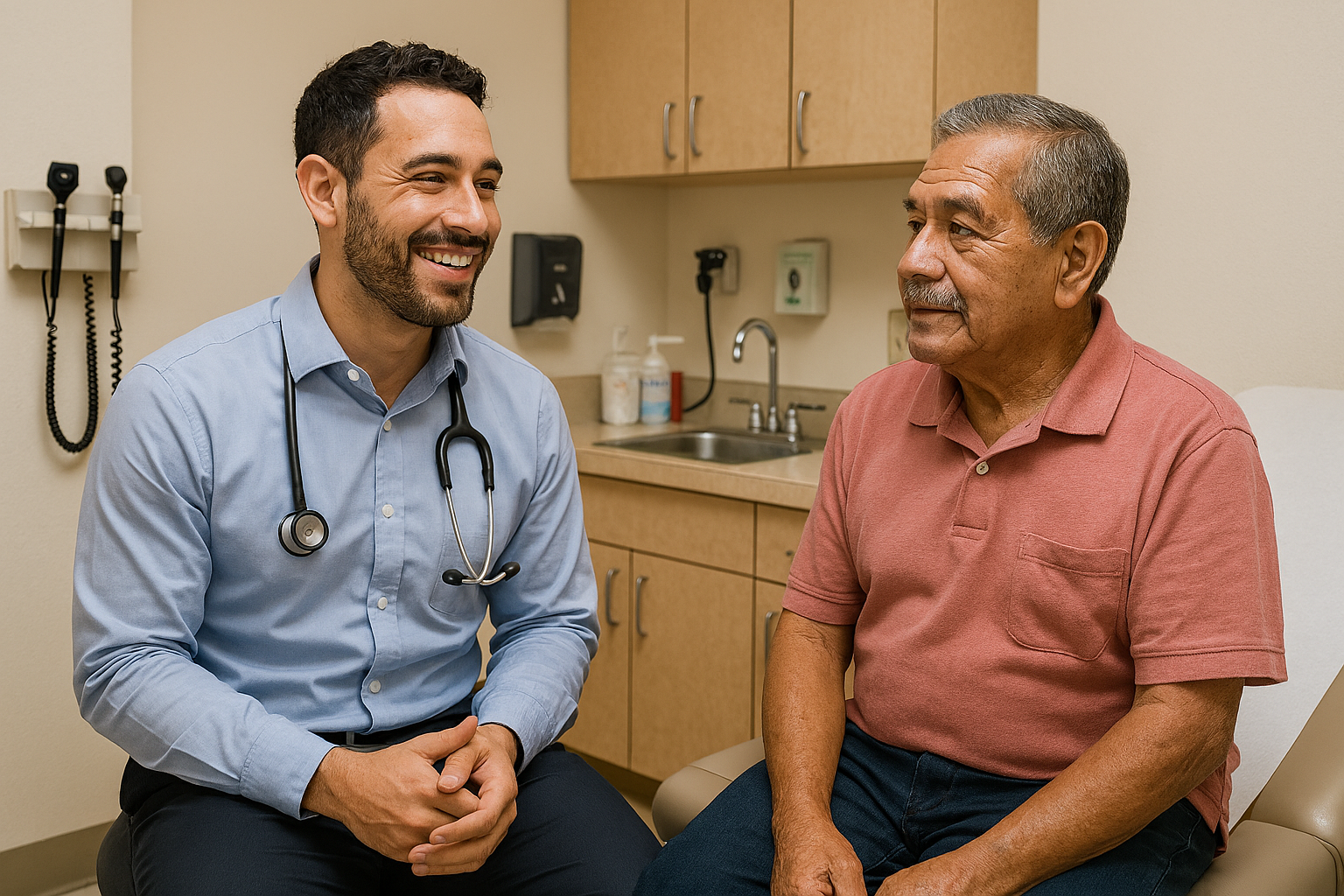
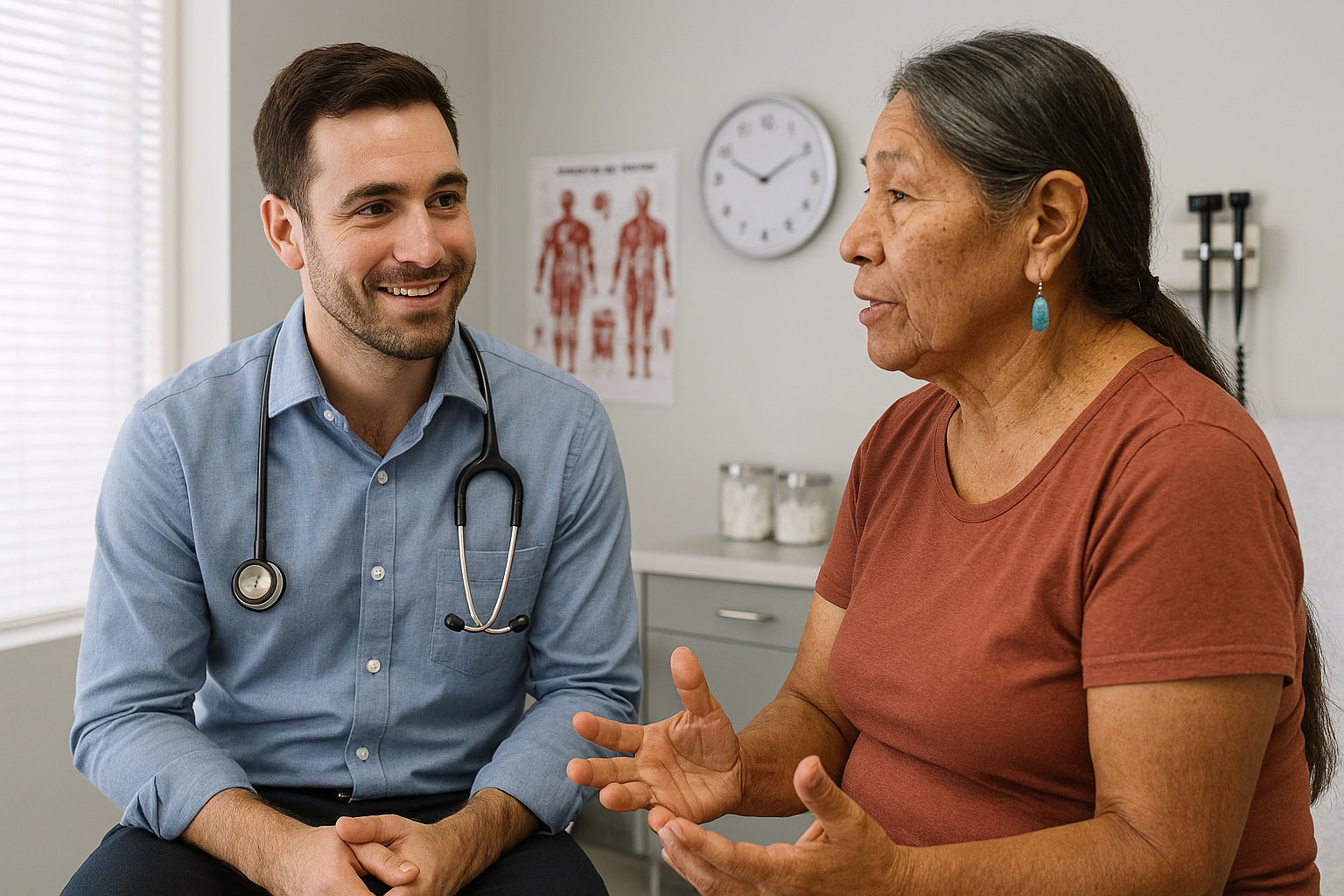
One of the standout innovations Dr. Blackman discussed is the emergence of ambient clinical documentation, which uses AI to capture and transcribe clinical notes during patient visits. This advancement minimizes the time providers spend on documentation and enhances the quality of patient interactions by allowing clinicians to return their focus to care delivery, conversation, and connection. Beyond saving time, the accuracy of ambient documentation is a game changer. By leveraging advanced AI, these tools capture critical details that might otherwise be overlooked or forgotten during an appointment, ensuring comprehensive and precise clinical records.
Engaging Patients with Technology
Automation plays a significant role in transforming the patient experience. Dr. Blackman believes that patients appreciate AI-enabled automation solutions such as ambient documentation because it allows providers to focus more on the interaction with them. “Patients like it because it allows doctors to focus on the conversation. They’re not constantly looking at the chart, or trying to type, and anything that lets the provider focus on the conversation and the person in the room is really beneficial.”

Improving Interoperability for Better Connectivity
One of the biggest hurdles facing practices is ensuring frictionless communication between disparate systems. How we approach patients and ask questions is crucial. Dr. Blackman highlighted the importance of interoperability, stressing that effective data sharing is critical to building a truly connected healthcare ecosystem.
“It’s about sharing patient information—like problem lists or medication lists—in a way that other systems can consume,” he explained. Achieving this level of connectivity improves patient experiences, enhances workflows, and ensures providers have the data they need to make informed decisions.
Emerging Technologies and Opportunities
The future of healthcare is brimming with possibilities, from AI-driven decision support tools to predictive analytics. Dr. Blackman acknowledges that there are some learning curves to be made, but the pros far outweigh the cons when it comes to AI-enabled tools in healthcare.
“Using AI for diagnosis assumes that you feed it correctly, so it’s important for us to understand how to use these tools as they are new to us… But they present a lot of opportunities, and I think we need to embrace them because they provide a power that we don’t otherwise have.”
Dr. Blackman underscored that these technologies are designed to assist providers rather than replace them.
“People talk about predictive decision support … I think there’s a key in that statement, which is ‘decision support,’ not ‘decision making.’” Solutions like Greenway Clinical Assist exemplify this balance, using AI-enabled automation to handle routine tasks while keeping providers in control of decision-making.
Breaking Barriers to Adoption
Dr. Blackman acknowledged that adopting new technologies can be daunting for practices, especially those with past experiences where tools added complexity instead of reducing it. As we look at new technologies, what’s most important is their effectiveness. That is why Dr. Blackman believes that overcoming this challenge requires a clear demonstration of value.
“We have to say here’s the value and show it, some of the things we’ve talked about, I think really do that — whether it be time savings, better outcomes, or ideally a combination of both.”

What Does This Mean for Your Practice?
Automation is no longer a distant concept. It is a practical solution reshaping healthcare today. By reducing administrative workloads, enhancing patient engagement, and addressing interoperability challenges, automation allows practices to reallocate time and resources toward higher-value activities.
By leveraging automation, providers can gain actionable insights allowing them to address broader patient needs beyond the immediate reason for the visit, ultimately ensuring they deliver comprehensive, proactive care.
“Presenting that information in a way that’s easy to act upon ensures that patients receive the best care possible, no matter when or why they present.”
Watch the full interview to hear more from Dr. Blackman on the future of healthcare automation: