Access to quality healthcare is not evenly distributed, and Tribal and Urban Indian communities often face a unique set of challenges that impact care delivery, outcomes, and sustainability. From geographic isolation to regulatory complexity and cultural misalignment, these barriers require more than just technology—they demand understanding, partnership, and purpose.
Greenway Health is committed to closing these gaps through culturally informed solutions, long-standing collaboration, and measurable impact. Below, we explore the most pressing challenges these communities face—and how Greenway is helping to overcome them.

1. Limited Access to Care
Many Tribal communities are located in remote areas where healthcare facilities are far and few between. Patients often travel hours for basic services, which leads to delayed diagnoses, missed preventive care, and worsening health outcomes. These access issues are compounded by limited transportation options and a shortage of local providers.
Greenway® Patient Connect and the Greenway® Patient Portal empower patients to engage with their care teams virtually. From scheduling appointments to accessing test results and messaging providers, these tools reduce the need for in-person visits and bring care directly to the patient—no matter where they live. For communities where distance has long been a barrier, this is a transformative shift. Additionally, Greenway Telehealth services further expand access by enabling real-time consultations and follow-ups, helping patients receive timely care without the burden of travel.
2. Disconnected Systems
Many Tribal health centers operate with outdated or siloed technologies that don’t communicate with one another. This fragmentation makes it difficult to coordinate care, share patient data, or track outcomes across providers and facilities. The result? Gaps in care, duplicated efforts, and a frustrating experience for both patients and clinicians.
Intergy® EHR is built for interoperability. It integrates seamlessly with Indian Health Service (IHS), Tribal, and Urban Indian systems using HL7 standards, enabling secure, real-time data exchange. This connectivity ensures that providers have a complete view of each patient’s history, improving care coordination and reducing administrative friction.
3. Regulatory Burdens
Federal reporting requirements like National Data Warehouse (NDW) and Government Performance and Results Act (GPRA) are essential for funding and accountability, but they’re also complex and time-consuming. For already stretched Tribal health teams, compliance can feel like a full-time job.
Greenway’s Intergy EHR includes built-in tools that simplify compliance. Customizable reporting templates and Greenway® Insights dashboards allow providers to generate accurate reports quickly and confidently. By reducing the manual burden, Greenway helps teams stay compliant without sacrificing time for patient care.
4. Clinician Burnout and Staffing Shortages
Tribal health providers often wear many hats, juggling clinical duties with administrative tasks due to limited staffing. This overload contributes to burnout, high turnover, and reduced quality of care, especially in rural or underserved areas where recruiting new staff is already difficult.
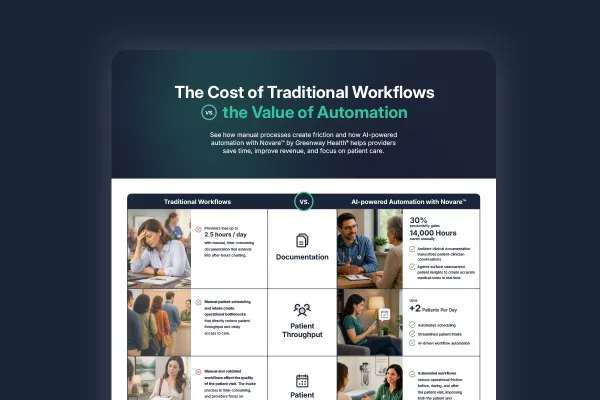
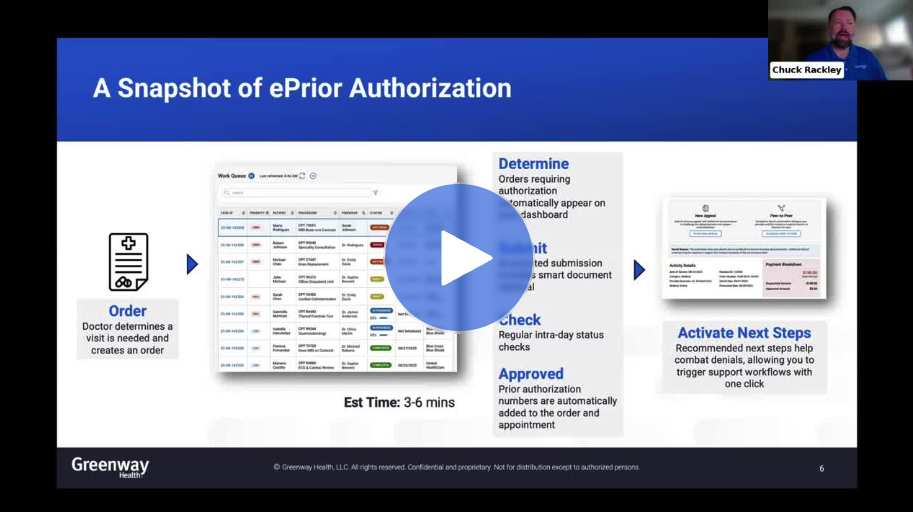
Greenway’s AI-powered automation streamlines documentation, scheduling, and reporting, giving clinicians more time to focus on patients. Intergy’s customizable workflows also support culturally relevant care delivery, which improves outcomes and enhances provider satisfaction and retention.
5. Cultural Sensitivity and Tribal Sovereignty
Standardized healthcare models often fail to reflect the values, traditions, and governance structures of Tribal communities. When care delivery doesn’t align with cultural expectations or respect sovereignty, it can erode trust and reduce engagement.
Greenway works hand-in-hand with Tribal leaders to design solutions that honor each community’s identity. Intergy’s templates and workflows can be tailored to reflect cultural practices, and Indigenous frameworks like the medicine wheel are integrated into care models to support holistic wellness—mental, physical, emotional, and spiritual.
6. Operational Inefficiencies
Without the right tools, Tribal health centers may struggle with billing, reporting, and revenue cycle management—leading to lost revenue and limited resources for reinvestment. These inefficiencies can threaten long-term sustainability.
Greenway® Revenue Services automates billing, streamlines claims processing, and provides real-time analytics to support smarter financial decision-making. These tools help Tribal health centers reduce revenue loss, improve sustainability, and focus more resources on patient care.
The Greenway Difference: Measurable Impact
Greenway’s commitment goes beyond software. We deliver real, measurable improvements in:
- Health Outcomes: Better care coordination and virtual access lead to earlier interventions and improved patient health.
- Provider Satisfaction: Streamlined workflows and culturally aligned tools reduce burnout and increase engagement.
- Operational Performance: Scalable systems and robust analytics help centers cut costs and reinvest in care.
A Partnership Rooted in Respect
Greenway doesn’t just serve Tribal and Urban Indian communities—we stand with them. Our approach is grounded in collaboration, not prescription. We co-create solutions with Tribal health teams, ensuring every tool reflects the community’s priorities, values, and vision for the future.
Let’s Advance Equity Together
Greenway Health is proud to support Tribal and Urban Indian health centers in delivering compassionate, effective, and culturally aligned care. Let’s build a healthier, more equitable future—together.
with Greenway to discuss how we can support your practice.